
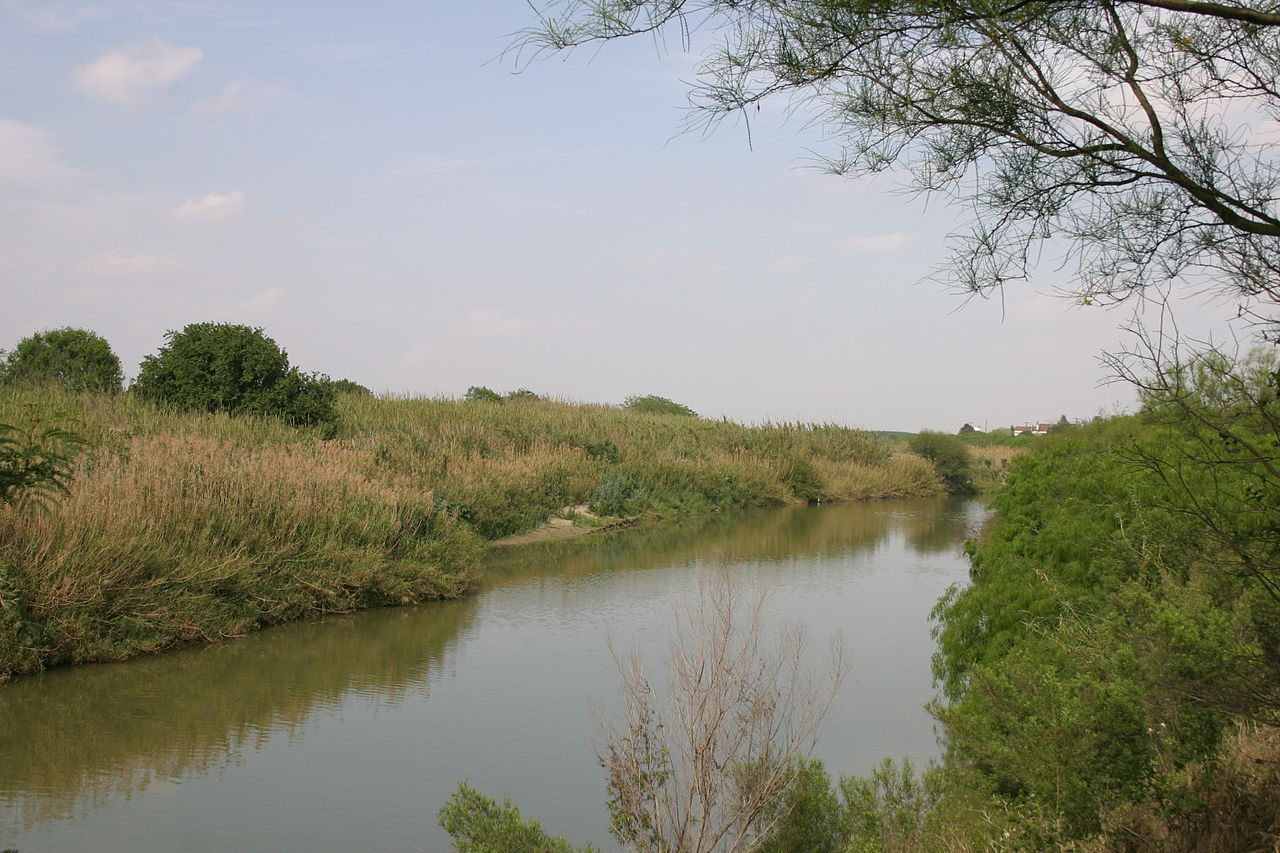
Desperate migrants on the border: “I should just swim across”
This article from the New York Times describes the struggles of migrants and asylum-seekers from Central America who are trying to get into the United States. It focuses specifically on migrants staying in the Mexican border town of Matamoros, where the US is just across a river, which, however, is dangerous, and some migrants have drowned in it. However, since conditions in the housing for migrants in Matamoros are awful, some of them are willing to take the risk of crossing.
This article relates to some of the ideas brought up in Ennser-Kananen’s “Pedagogy of Pain” article, namely that we should not simply ignore the world’s problems, but that it behooves us to discuss them and acknowledge the pain we experience from them. Although this article is written in an ostensibly objective, journalistic way, it nonetheless does try to depict the emotional and physical suffering that the migrants interviewed and discussed have endured and continue to endure.
This event is important because, frankly, the sufferings of migrants who desire to come to the United States are largely due to the policies of the American government; in my opinion, we, as citizens of a democracy, need to know what harms our government’s policies cause in order to be informed voters and vote for politicians who will change them (in addition to participating in activism outside of elections!).
The impact of these policies are that migrants continue to suffer, which is something that we, as a people, should not be allowing to continue to happen. My reaction to such suffering is sadness, and a desire to help these people, either by supporting charities that work with them or by using my ability to vote to elect politicians who will work to help them.
I personally would not use this article in my future classes since it’s in English and not in Arabic, but if I could find such an article produced by an Arabic-language media outlet, I would use it in a future class both so that students become aware of the facts behind these issues and so that students who are already aware of the issues can work out their pain and grief in the class (in accordance with the ideas expressed in the “Pedagogy of Pain” article).


Thanks so much for sharing this… well kind of heartbreaking article, Jacob. I think your insights and the connection that you made to Ennser-Kananen’s “Pedagogy of Pain” are especially important. I know you mentioned not being able to use this article in an Arabic class, but I think this resource would be extremely useful in my context because I will most likely have students with similar stories. I also think you could potentially use this article to juxtapose the experience of refugees in South and Central America with those from Arabic-speaking regions? Just a possibility! thanks again for sharing 🙂
Thanks for the share, Jacob! I really resonated with what you said about the US’ policies impacting the state of these Latin American nations today. Many people know that immigrants are fleeing suffering, drug wars/cartels, government corruption and violence. What MOST Americans don’t know is that in many cases, the US played a HUGE role in creating these unstable situations for these countries. Take for example the dictatorship of president Rafael Trujillo in the Dominican Republic. The US occupied the DR from 1916-24, essentially helped and supported military general Trujillo rise to power and maintain such power before they withdrew. The US set the example for a strong military (in this case, the US Marines) presence. This article explains a bit more in depth (https://www.jstor.org/stable/pdf/25611893.pdf?refreqid=excelsior%3A9fca47b6309edda104b80a1c602205f7)
Trujillo is now recognized as one of the most violent, brutal, and insane leaders of all time. The country is still healing from this military dictatorship.
One of my favorite books is about the Maribal sisters, a group of women who helped to lead the revolution against Trujillo. It is called “En el tiempo de las Mariposas/In the Time of the Butterflies” and is available in both English and Spanish. The book tells the story of the sisters from different points of narration – one chapter is from the perspective of Minerva , others from her other sisters Patria, Maria Teresa, and Dedé. It’s a page turner and well worth the read.
https://www.amazon.com/En-tiempo-las-mariposas-Spanish/dp/0452286867
I imagine that similar articles exist in Arabic about Syrian immigration to other countries, Jacob! If you wanted to look into something similar…
Thanks for your share!!!!
live draw macau
https://justpaste.it/u/alexaa
https://marketplace.whmcs.com/user/priscilla1152/edit
https://trove.nla.gov.au/userProfile/about
https://alltop.com/my/rss-feeds
https://www.diigo.com/user/siskaangela88?filter=note
https://hearthis.at/mahesa-satu/
https://telegra.ph/photoshop-06-09
https://about.me/sangela
https://social.studentb.eu/siska
https://www.ultimate-guitar.com/u/mahesasatu16
เว็บแทงบอล ufabet online gambling website Ufabet casino baccarat Roulette Dragon Tiger is a gambling website that is considered to be the giant of online gambling.
เว็บแทงบอล ufabet คือทางเลือกที่เหมาะสมที่สุดของนักพนัน การพนันบอลเป็นการพนันที่สร้างรายได้และสร้างความตื่นเต้นให้กับผู้เล่นได้เป็นอย่างดี แต่ว่าการเลือกเว็บ ที่ใช้ในการแทงบอลที่ดีนั้นเลือกได้ยาก เพราะผลตอบแทนที่ได้จากการ แทงบอล บางครั้งมีมูลค่าที่สูงมาก ซึ่งเว็บแทงบอลออนไลน์ที่นิยมทีสุดเละมาเป็นอันดับ1ในประเทศไทย ณ ปัจจุบัน เว็บแทงบอล ufabet