
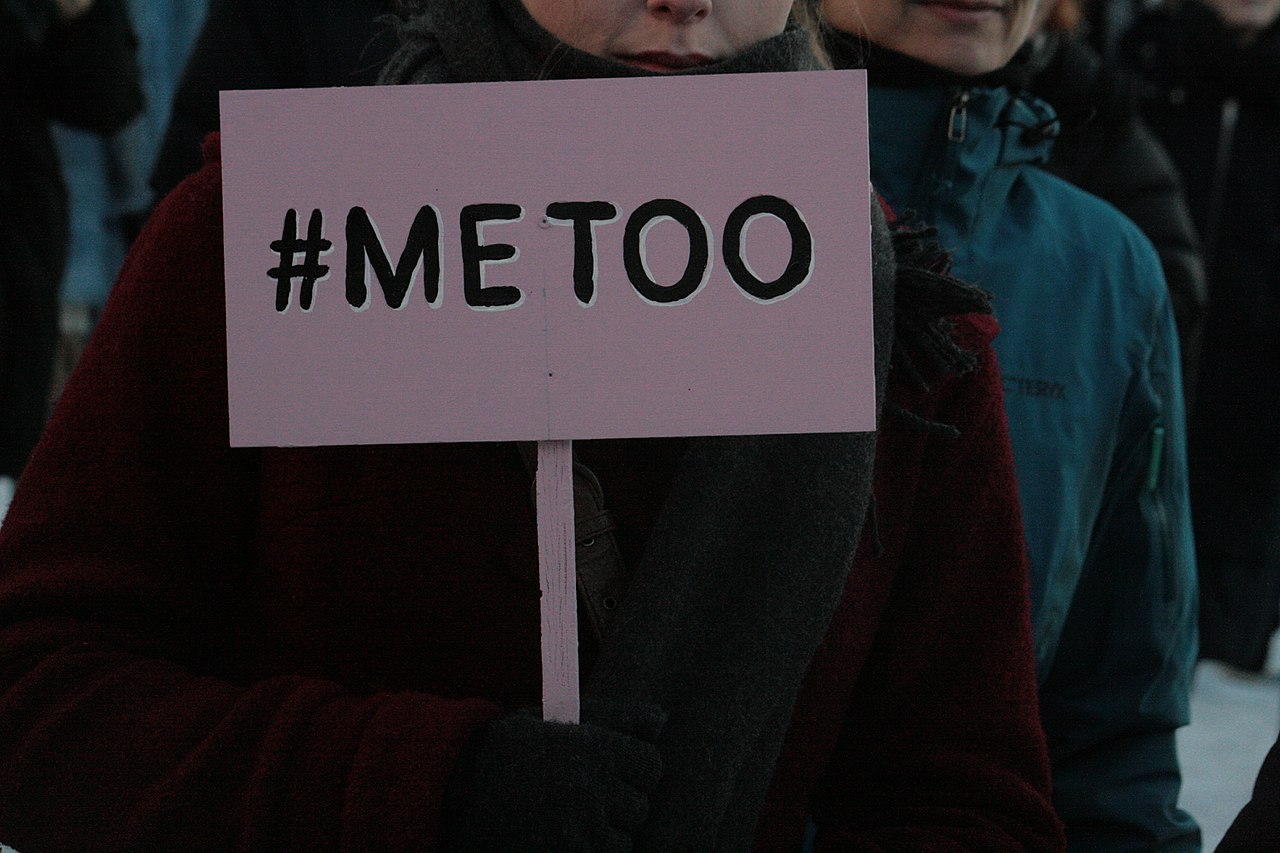
Do works by men implicated by #MeToo belong in the classroom?
This article discusses the difficult choices that literature teachers face when the author of a book they use in teaching gets accused of sexual harassment or assault. When such an accusation happens, teachers have several ways to deal with the situation—to remove the book from their syllabus, to keep it in and not bring up the issue, or to keep the book in but use the allegations against the author as an opportunity for discussion. The article presents the voices of various teachers who have chosen each of those options and their justifications for making the choice they did.
The issue of sexual harassment or assault relates directly to bullying, which we discussed in class, in that both are unwanted behavior that reflect power relations.
This event is important because the United States (as well as many other cultures) are currently having discussions about gender relations and what should happen to those accused of, or convicted of, sexual assault or harassment. The issue brought up in this article—what to do with artistic work that was created by someone problematic—is one of the issues related to the discussions above that our culture has not yet resolved.
My reaction to the situation brought up in the article is that if I were in the position of the teachers interviewed for the article, I would find it difficult to make a choice about whether to teach a book that was written by someone accused of sexual harassment or assault. On the one hand, I feel like an artistic work that is high-quality and raises interesting questions about life should not necessarily be condemned to the cultural trash heap simply because of the misdeeds of its author. After all, does the work not have its own independent existence? On the other hand, though, keeping such a work in one’s syllabus could signal a lack of compassion toward victims of sexual harassment or assault, which could include one’s own students. Additionally, if the author is still living, requiring students to buy that person’s book for your class means you are directing your students to put money in the problematic author’s pocket, which some students may find to be unconscionable. Thus, the issue is very thorny, and I am not sure what I would do if I were in the position of the teachers mentioned in the article.
In terms of adapting this article for my classes, I personally would not do it as an Arabic teacher since the article is in English. Regarding the Me Too movement, though, I have heard that some female refugees in Palestine have been using the hashtag #metoo (or the Arabic equivalent, #anakaman) to address mistreatment they have received, so I would certainly like to present materials relating to that in my classes.


Hi Jacob! Thanks for sharing this incredibly interesting post. It immediately made me think of the situation surrounding playing R-Kelly’s music on the radio/letting him profit off of the dissemination of his music. He is a famous R&B singer that has been accused of kidnapping young women and forcing them to do horrendous sexual acts. If you are not familiar with what’s happening, I suggest you watch the Netflix show Surviving R-Kelly or read the information on this link https://www.cbsnews.com/news/r-kelly-sex-abuse-case-nyc-judge-denies-bail-today-2019-10-02/ which gives a rough overview of the situation.
I agree with you Jacob that it can be incredibly hard to dismiss a work of art because of the crimes the creator commits. I think it’s a gray area that should be discussed and questioned thoroughly before making a decision.
My honest opinion is that I would not be able to use these types of works in the classroom for fear that it may be triggering for a student of mine. There are plenty other R&B artists, authors, poets, musicians, etc. that have not committed horrendous crimes and that I could use in place of the literature in question.