
What You Wear Matters to the Environment
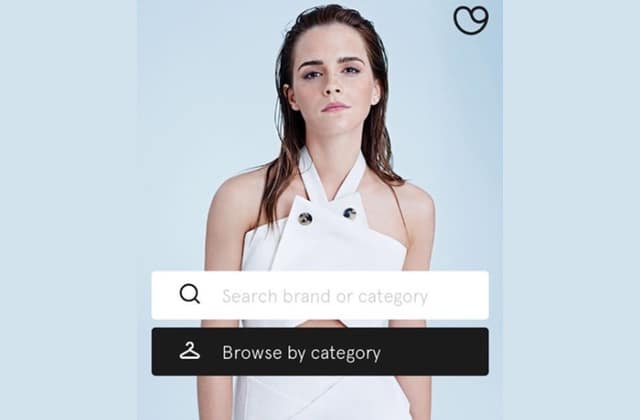
One of the highest contributors to waste and environmental pollution is fast fashion. I happened across this video (12:41-19:05) on YouTube, and I thought that it could be an authentic video clip you could use in the classroom to start a discussion on clothing and how fashion impacts the environment. The primary resource I’d like to share is a website/app called Good On You that rates brands based on how ethically and sustainably the clothes are made. They consider manufacturing process, waste, and treatment of workers.
Video background: Bernadette Banner is an expert on period fashion, particularly Edwardian and Victorian era. She handmade a historically accurate Medieval dress and posted a picture of herself in the dress. She then came to find that a company had used the picture to design and sell a costume for very inexpensive, and even used her image for marketing! I recommend the whole video, but for the purposes of starting a discussion and talking about the environment (plus the exploitation of workers and artists) watch from 12:41 to 19:05.


Wow- thanks for sharing this Miranda! I shall check out the app. But I think the app can be considered within MALL, I think it has so much potential for classroom instruction.
Thank you for sharing the app and the video. There are many news coverages we can find about fast fashion and environmental crisis online, but I would recommend this one: https://theconversation.com/following-a-t-shirt-from-cotton-field-to-landfill-shows-the-true-cost-of-fast-fashion-127363. This explicitly tells the cost of the environment in every step of making a simple T-shirt. It can be adapted into a class activity for students to illustrate the process in various forms and design some collaborative tasks out of it (e.g. learning about procedures, percentages, numbers, materials, etc.)
I think most of us would be amazed with the amount of clothes in our closets but as Bernadette mentions, fast fashion is generally cheap. It is a money maker and keeps tens of thousands employed and contributing financially to their families and communities. I think the solution is somewhere between freedom of choice and regulated production. I find Hassan Minhaj to be very entertaining in his Netflix show which mixed (I think it wasn’t renewed after 3-4 seasons) some humor with researched reporting. here is his show on fast fashion: https://www.youtube.com/watch?v=xGF3ObOBbac
Thanks for sharing this insightful article.
I can’t wait to share this with others.
I appreciate the effort put into this post.